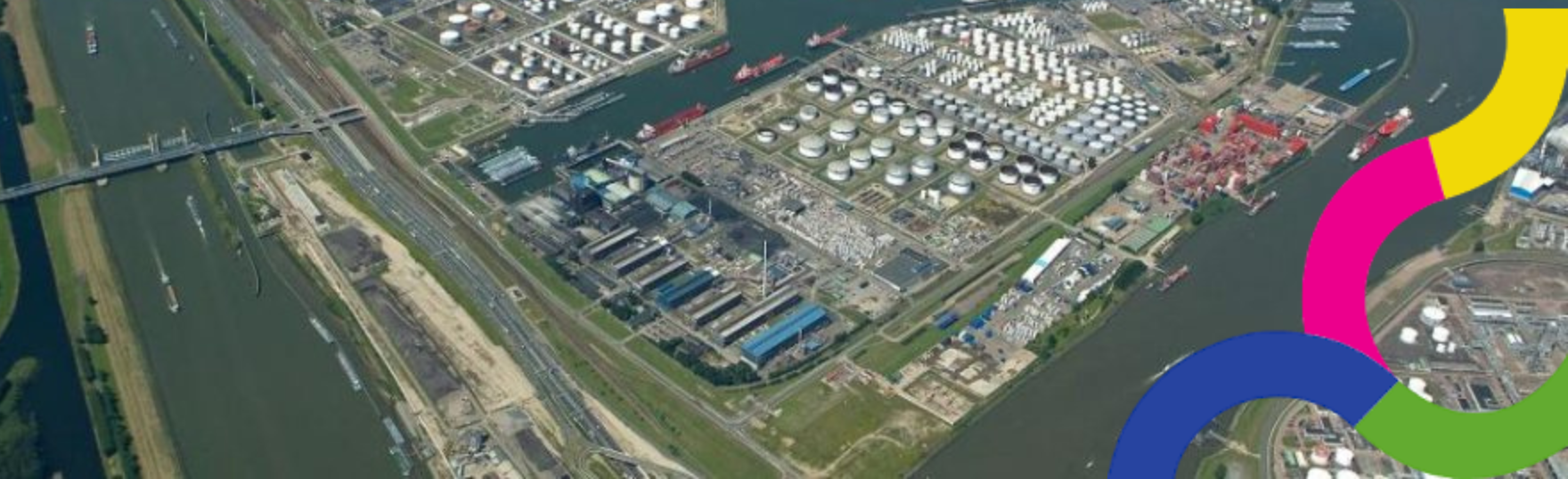
A bicycle as an engine for change. It may sound symbolic, but at RMI in the Port of Rotterdam, it is exactly what was set in motion. What began as an internal initiative to encourage employees to get on their bikes more often, quickly grew into a collective movement in the Botlek. Indeed, the Botlek Bike Challenge not only got RMI employees moving, but also people working at surrounding companies. And that is precisely the strength of the project: stimulating sustainable behavior by having fun, making it accessible and, above all, doing it together.
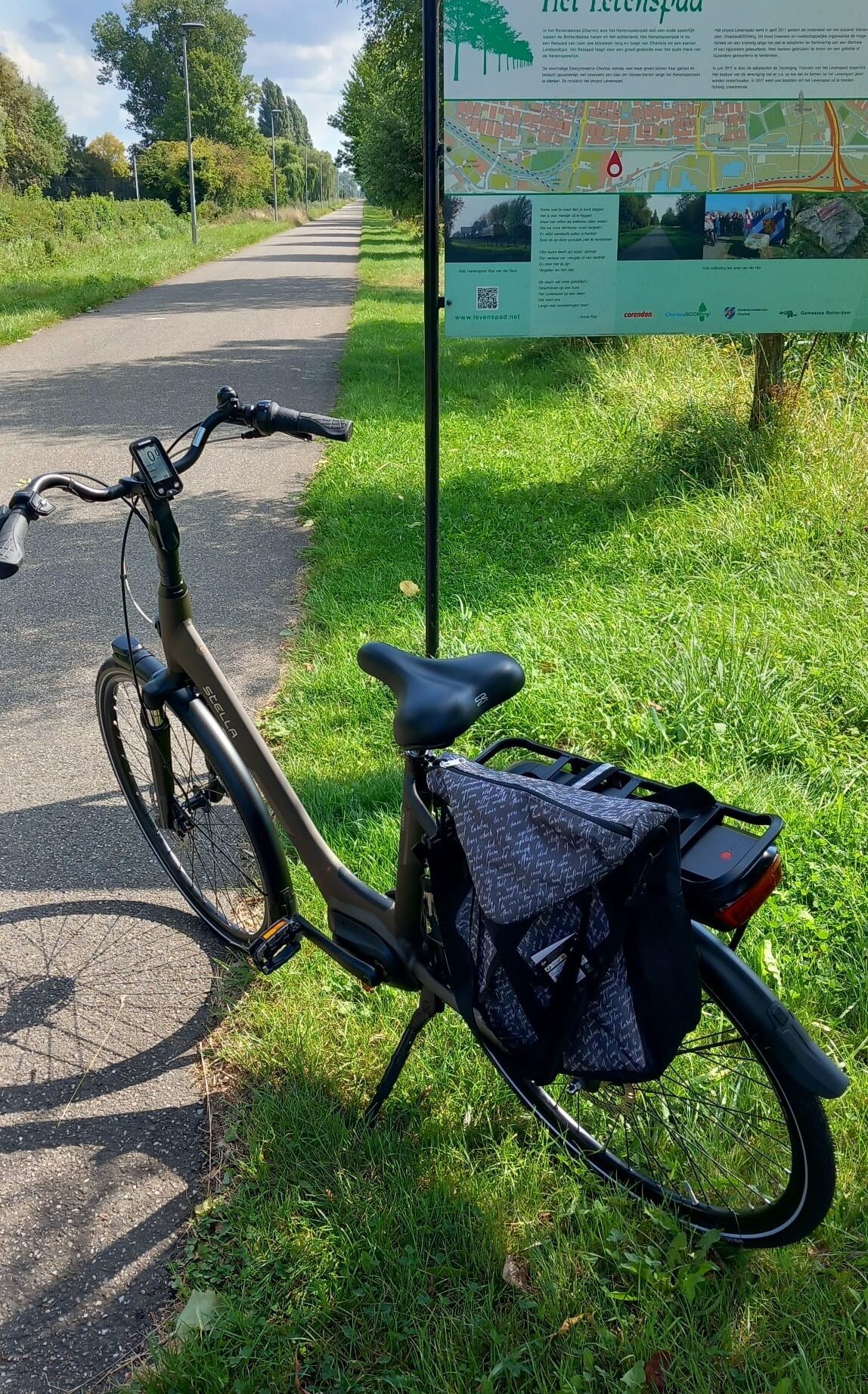
Cycling as a bridge between vitality and sustainability
At RMI, the topic of mobility had been alive for some time. "I was looking for something positive to bring out," says Kasper Bout, marketing and communications consultant at RMI. "Something of value, with which we show that we take sustainability seriously and with which we can simultaneously engage our employees. That's how the bicycle challenge came about."
The approach was clear: not just make miles, but create awareness. Cycling as a symbol of vitality, connection and pride. The challenge also dovetailed perfectly with RMI's sustainability policy, in which vitality, being a good employer and social responsibility are becoming increasingly important.
Tim Klein, mobility broker at Zuid-Holland Bereikbaar (ZHB), sees an important step in this: "It is great to see how companies in the Botlek combine sustainability and accessibility. Mobility is a challenge here, many locations are hard to reach without a car. But when 59% of RMI's employees live within a 15-kilometer radius, there is enormous cycling potential there."
From internal initiative to shared challenge
What began as an internal action took on a much broader character this year. RMI decided to open up the Botlek Bike Challenge to other companies in the area. "At first we only did it with our own people," Kasper explains. "But now almost the entire street is participating. That's the best part: that it's no longer just ours, but really becomes a joint movement."
Together with Zuid-Holland Bereikbaar, the challenge was expanded and linked to the Reiswijs app, which allowed participants to save points and win prizes. "We want to show that sustainability doesn't have to be something heavy or politically charged," says Kasper. "It can also just be fun. Once something comes to life, people naturally get excited."
Within four weeks, more than 5,000 kilometers were collectively cycled. An impressive result for an area where the car is still often the norm. More important than the numbers were the stories. Employees shared their experiences and pictures, and discovered that cycling is not only good for the environment, but also for themselves.
The power of stories
According to Kasper, the success of the challenge lay precisely in that personal touch. "We didn't just want to count how many people participated or how many miles they traveled. We also asked employees to share their stories: why they participated, what they encountered along the way. That produced such great responses."
That human side helps make sustainability tangible. "Changing behavior is difficult," Kasper says. "Many people still see sustainability as something imposed 'from above.' Instead, we try to bring it close by linking it to vitality, fun and something shared."
At RMI, the cycling challenge ties into a broader vitality program, complete with a "vitality die" that encourages employees to adopt small, healthy habits. "It seems like something small," Kasper says, "but it makes people think about their behavior in a positive way. And that's where it starts."
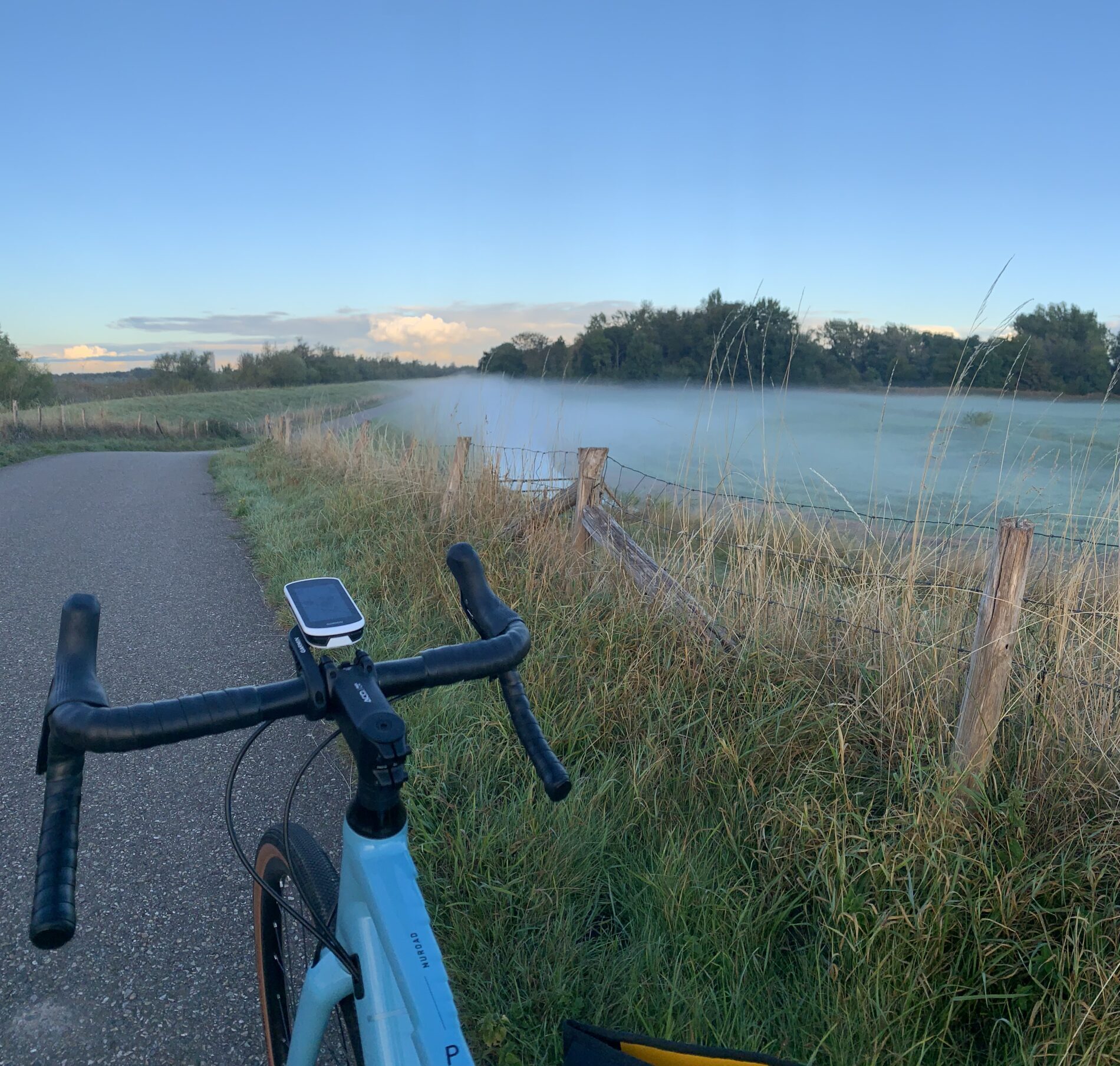
"Next year, we want to expand the initiative even further with new parties," he said.
Stronger together: companies in the Botlek as an example
For Zuid-Holland Bereikbaar, the Botlek Bike Challenge is an example of how cooperation between companies can lead to structural change. "RMI's initiative fits perfectly into our approach," Tim explains. "We support companies with advice, tools and information to influence behavior. But the best part is when companies take the lead themselves, as happened here."
That togetherness is important not only for the employees involved, but also for the region. "By working together, you create scale and visibility," says Tim. "It makes the threshold lower for other companies to join in. And the more parties participate, the greater the impact on accessibility and livability in the port."
RMI sees that too: "The challenge is actually a bridge," says Kasper. "A way to make sustainability and mobility discussable. We have now laid a foundation that we want to carry through to next year. Then we will take it up again, with more partners, more people and hopefully even more stories."
Looking ahead: from cycling to broader collaboration
The collaboration between RMI and Zuid-Holland Bereikbaar will be continued in the near future. Whereas the bicycle challenge was mainly about awareness and vitality, the focus will soon be on making mobility in the port more sustainable, from commuting to collective transport.
"The cycling challenge shows that change can come from something simple," concludes Tim. "When companies know how to find each other and employees experience that sustainability also pays off, you set something in motion that is much bigger than a few thousand kilometers."
Or as Kasper puts it, "It's not about winning, it's about moving, literally and figuratively."